How to be Organised and Productive
Simple Steps for a Balanced Life
Staying organised and productive isn’t just a skill—it’s a pathway to a calmer, more focused life. In a world that’s constantly on the move, juggling commitments without a plan can leave you overwhelmed and spinning your wheels. Thus, learning how to be organised and productive has never been this critical. Being organised helps you prioritise what truly matters, while productivity ensures you actually get it done. Together, they can reduce stress, sharpen your focus, and even free up time for what brings you joy. If you’re ready to take control of your schedule and make the most of your days, this guide will show you how to make it happen.
Understanding the Need for Organization
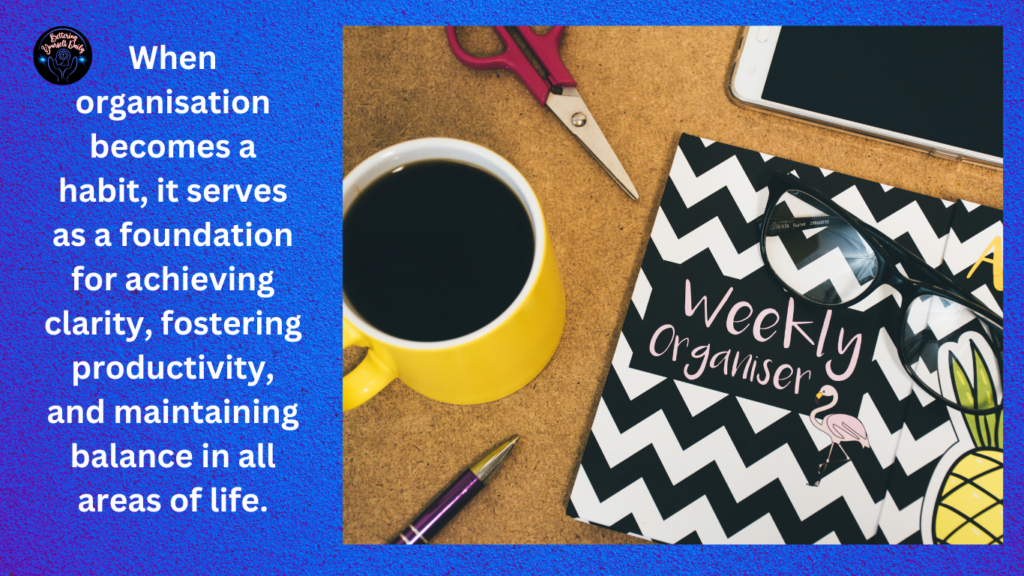
Being organised is more than just keeping your space tidy; it’s about creating a system that enhances your focus, minimises distractions, and allows you to live intentionally. When organisation becomes a habit, it serves as a foundation for achieving clarity, fostering productivity, and maintaining balance in all areas of life. Let’s break this down into three critical aspects.
The Link Between Organization and Mental Clarity
A cluttered physical environment often mirrors a cluttered mind. When your desk is overflowing with papers or your to-do list is scattered across sticky notes, it’s harder to think clearly and prioritise important tasks. An organised space, on the other hand, can lead to mental clarity by reducing decision fatigue and stress.
Research has shown that a structured environment helps people feel more in control, which can naturally lower anxiety levels. Simplifying your surroundings allows your brain to focus on what matters most and eliminates distractions that drain your energy. According to mindfulhealthsolutions.com, something as simple as decluttering your home can foster a sense of control and accomplishment, improving overall mental health.
If you’re looking for a boost in focus, consider starting small: organize just one area of your space today. You’d be surprised how much this can carry over into your ability to stay productive.
Organization as a Pathway to Achieve Goals
Whether you’re pursuing a career milestone, saving for a major purchase, or trying to balance a hectic schedule, being organized is a crucial tool for success. Goals—both short and long-term—are much easier to achieve when you’ve planned the steps to get there.
Think of organization as a roadmap. Without it, you’re wandering without direction, hoping for the best. With a detailed plan, however, you have a clear structure to follow—whether that means setting daily priorities or scheduling time blocks for dedicated focus. As highlighted by dantudor.com, creating strategic plans and breaking them into smaller, actionable steps is a simple yet highly effective strategy for achieving goals.
Better still, organized individuals are able to track progress easily. This not only keeps you motivated but also allows for adjustments when obstacles arise. Remember, having a plan doesn’t mean you won’t encounter setbacks—it means you’ll be better equipped to navigate them.
The Balance Between Work and Life
Finding balance between work responsibilities and personal time can feel overwhelming, but organization helps here too. By structuring your time effectively, you can ensure both areas get the attention they deserve.
An organized approach enables you to set boundaries, schedule downtime, and prevent burnout. Tools like shared calendars or apps that manage tasks can make this easier by allowing you to visualize your time commitments. The Happiness Index explains that maintaining a healthy work-life balance not only fuels career success but also supports personal well-being—both are vital for leading a fulfilled life.
For instance, scheduling non-negotiable family dinners or workout sessions can ensure that work doesn’t spill over into every waking moment. Organization isn’t about being rigid; it’s about providing the flexibility to enjoy your life fully without feeling stretched too thin.
These pillars—mental clarity, goal achievement, and balance—highlight the undeniable need for organization. By making it a priority, you’re giving yourself the tools to not just get through the day but to thrive across all areas of your life.
Practical Strategies to Stay Organized and Productive
Finding the best ways to stay organized and productive is essential for making the most out of your day without feeling overwhelmed. With the right strategies, you can navigate your workload, keep your space tidy, and manage your time efficiently. Here are practical methods to help you get started.
Time Management Tactics
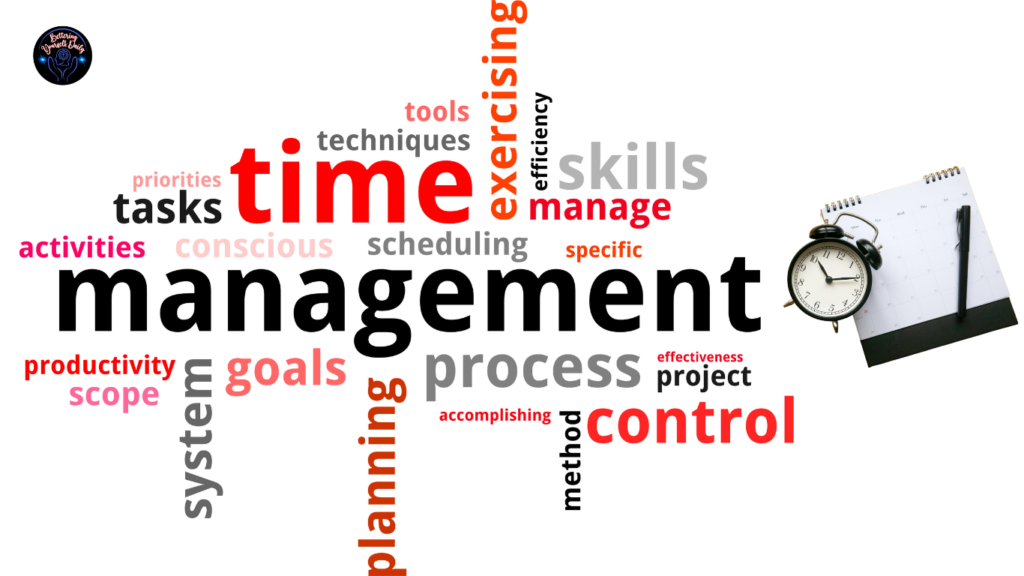
Managing your time well is the cornerstone of productivity. Start by incorporating these proven techniques into your daily routine:
- Time-Blocking: Allocate specific time slots to tasks throughout your day. This ensures you focus on designated duties without distractions. Tools like Google Calendar or Notion can assist in visually planning your day.
- Prioritizing Tasks: Use methods like the Eisenhower Matrix to prioritize tasks based on urgency and importance. Focus on what matters most to avoid wasting time on low-priority work.
- Pomodoro Technique: Split work into focused 25-minute intervals followed by 5-minute breaks. This method helps prevent burnout and maintains consistent focus. Learn more about this technique from Todoist, which outlines why the Pomodoro Technique works so effectively.
By implementing these methods, you’ll notice an immediate improvement in your ability to manage time and maintain focus on what’s essential.
Decluttering Physical and Digital Spaces
Staying productive requires a clean and streamlined workspace—both physically and digitally.
- Physical Decluttering: Keep your workspace minimalist and functional. Clear away unnecessary papers, cables, or items you don’t regularly use. Invest in storage solutions or desk organizers.
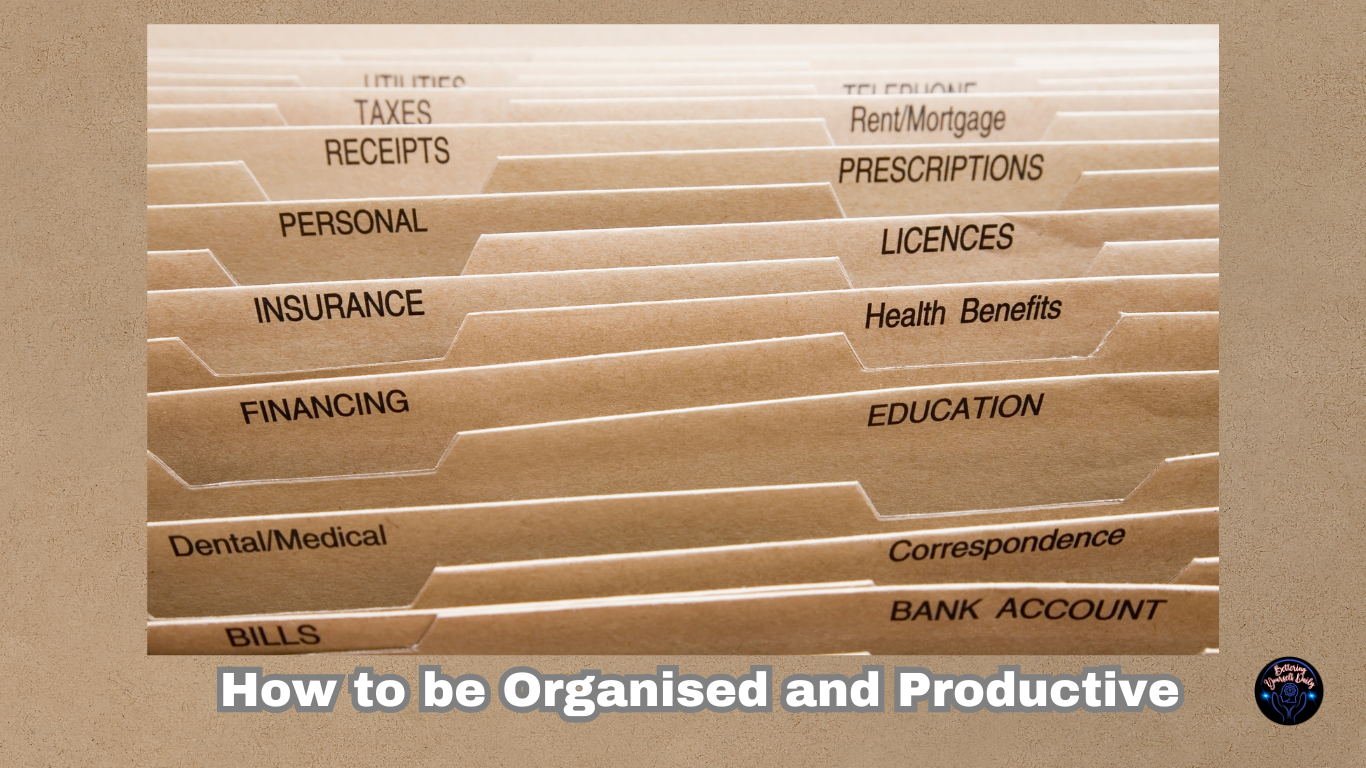
- Digital Decluttering: Start by organizing your files into labeled folders. Delete unnecessary files and archive older ones. Regularly review and clean up your desktop to keep everything neat.
- Email Management: Take control of your inbox! Unsubscribe from emails you no longer need, create folders for categorization, and limit the time you spend checking emails. Check out this guide on decluttering digital spaces, which shares actionable tips for tidying emails and other cluttered spaces.
Decluttering doesn’t just create more space; it also helps reduce distractions, boosts focus, and creates a more welcoming environment to work in.
Leveraging Tools to Streamline Efforts
Utilizing the right tools can streamline your tasks and maximize output. Here are some popular options to consider:
- Task Management Apps: Tools like ClickUp, Todoist, or Asana help you organize tasks, track progress, and set reminders.
- Online Calendars: Apps such as Google Calendar make scheduling easier, ensuring you never miss deadlines or overbook yourself.
- Automation: Save time on repetitive tasks by using automation platforms. For instance, Zapier allows you to connect apps and automate workflows effortlessly. Explore top-rated options in Zapier’s list of best productivity apps.
With a bit of experimentation, the right tools can significantly reduce stress and simplify even your most packed schedule.
Building Routines and Habits for Consistency
Good routines are the backbone of staying organized and consistent in your productivity.
- Design Daily Routines: Plan your day around when you feel most energized. Schedule demanding tasks during high-energy periods and lighter ones when you’re more relaxed.
- Stick to Small Habits: Start incorporating simple habits like reviewing your schedule each evening or spending five minutes tidying your workspace before leaving for the day.
- Reward and Reflect: Reward yourself for sticking to your routines to build positive reinforcement. At the same time, review what worked and adjust as needed.
Routines take time to form but can bring enormous long-term benefits. They minimize decision fatigue, improve focus, and help make productivity second nature.

Overcoming Common Obstacles to Organization
Even the best strategies for organization and productivity can be sabotaged by personal roadblocks. Whether it’s procrastination, feeling overwhelmed, or battling ingrained habits, these challenges can feel like walls stopping you from reaching your goals. The good news? Every obstacle has a solution that can help you get back on track.
Procrastination and Lack of Motivation
Procrastination is one of the stealthiest productivity killers. It doesn’t present itself as a big deal at first—a quick check on your phone, a minor distraction—but soon, hours slip by. The key to overcoming procrastination is mastering the art of action, no matter how small.
- Break Tasks Into Bite-Sized Chunks
Tackling large tasks as a whole can be intimidating. Instead, break them down into smaller, more manageable chunks. For instance, if you’re organizing your home office, start with one drawer rather than the whole room. Each small win builds momentum. - Set Clear Deadlines
Open-ended tasks often lead to delay. Assign a strict timeframe for each task, even small ones, to create a sense of urgency and accountability. Bonus: rewards work! Give yourself a little treat each time you finish something. - Eliminate Distractions
It’s hard to stay focused when notifications are lighting up your screen or the TV hums in the background. Create an environment conducive to focus. Silence your phone, close unnecessary tabs, and face tasks head-on. Check out these tips on how to stop procrastinating for more ideas.
If you struggle with motivation, remind yourself of why the task matters. Keep the big picture in view: clearing off your desk today might make tomorrow’s project feel less daunting.
Dealing With Overwhelm
We’ve all had those moments when our to-do list feels endless, and it’s hard to even decide where to start. Overwhelm can cause paralysis if not managed effectively. The trick is breaking the cycle and regaining clarity.
- Ruthlessly Prioritize Your Tasks
Not all tasks are equal. Start by determining what’s truly important. Tools like the Eisenhower Matrix (organizing work by urgency and importance) can help you identify priorities. - Take Focus Breaks
Avoid the all-or-nothing mindset. Give yourself permission to step away briefly. Whether it’s a short walk, some deep breathing, or relaxation for five minutes, these breaks can help you recharge and focus better when you return. - Ground Yourself in the Present
Thinking about everything you need to do all at once is a recipe for stress. Instead, focus on what you can accomplish right now. Grounding techniques like the 5-4-3-2-1 method (naming 5 things you see, 4 you can touch, etc.) help bring your focus back to the moment.
Remember, organization isn’t a sprint—it’s a marathon. Feeling overwhelmed is natural, but breaking tasks into smaller actions will let you chip away at the mountain until it no longer feels insurmountable.

Breaking the Cycle of Bad Habits
Being disorganized often stems from ingrained habits—those small daily actions that add up over time. Whether it’s leaving things out instead of putting them away or procrastinating on planning, breaking the grip of bad habits can feel difficult. Thankfully, it’s absolutely doable with the right mindset and steps.
- Identify Triggers
Every habit has a trigger—a cue to act. For example, if you tend to leave dishes in the sink, maybe it’s because you’re rushing after meals. By identifying the trigger, you can disrupt the habit. - Replace the Bad Habit With a Good One
Nature abhors a vacuum, so don’t just try to stop a habit—replace it. Swap time spent scrolling social media with a quick review of your schedule. Make a habit of tidying your space at the same time each day. - Create Accountability
Share your goals with someone you trust. Whether it’s a friend checking in or using an app that tracks your progress, external accountability can push you to stay consistent.
Change happens step by step. When you approach habits mindfully and with intention, you’ll find it easier to replace disorganization with purposeful actions. Soon, the things that once seemed chaotic will run like clockwork.
By addressing these common obstacles—procrastination, overwhelm, and poor habits—you’ll be better equipped to stay organized and productive in your daily life.
Sustaining Productivity Long-Term
Being organized and productive isn’t a one-time effort; it’s a continuous process that evolves with your goals and circumstances. To truly sustain productivity over the long-term, it requires mindful review, acknowledgment of growth, and the flexibility to adapt to life’s inevitable changes.
Periodic Reviews of Goals and Systems
Checking in on your goals and the systems you’ve put in place isn’t just good practice—it’s essential for long-term productivity. Life isn’t static, so the approach that worked for you last month may not be as effective today. Setting aside time to periodically review allows you to refine your methods and ensure you’re still on track.
Start by asking yourself: Are my goals realistic? Do the habits and tools I’m using align with what I want to achieve? The aim here is to maintain clarity and efficiency, not stick to a plan that no longer fits.
- Quarterly Assessments: Think of these as your personal “check-ups.” Dedicate time every few months to evaluate progress. Are you meeting your deadlines? Are there bottlenecks you need to identify and address? As highlighted by Focus Keeper, structured evaluations help you course-correct effectively.
- Update Your Tools: Something as simple as switching to a new planner or recalibrating your productivity apps can make a difference. Sticking with outdated methods can hinder progress rather than help.
By making periodic reviews a habit, you’re way less likely to find yourself stuck in unproductive patterns.
The Importance of Celebrating Progress
It’s easy to focus entirely on what’s left to achieve, overlooking the milestones you’ve already reached. But celebrating progress—no matter how small—fuels motivation and helps sustain long-term effort. Think of it as recharging the battery that keeps you moving forward.
When your acknowledge progress, you’re not just rewarding yourself; you’re reinforcing the behaviours that got you there. It’s positive reinforcement in action!
- Small Wins Matter: Did you finally clear your inbox or stick to your morning routine for a week? Celebrate it. Celebrations don’t need to be extravagant—a simple pat on your own back or a coffee treat works.
- Build a Ritual for Wins: Develop a habit of weekly or monthly reflections where you can jot down your accomplishments. Reflecting on these can help lift your spirits when you’re in a slump.
- Team Wins Count Too: If you’re in a work environment, sharing success with a team can strengthen relationships and build a positive atmosphere.
Next time you hit a milestone, pause and enjoy the moment. You deserve it.
Adapting to Life Changes
Change is inevitable. Maybe you’ve started a new job, become a parent, or relocated to a new city. These shifts can feel disruptive to the systems that once worked so smoothly. But the key to staying organized and productive is adaptability—rolling with the punches while maintaining your structure.
- Simplify When Needed: You don’t need 15 productivity tools when life is chaotic. Scale back to essentials that you know will keep you on track. Focus on the tasks that matter most to you.
- Refocus Your Mindset: Instead of resisting change, think about how you can use it as an opportunity to grow. For instance, a new child in your life may mean less time for hobbies, but it can also push you to organize your hours more effectively.
- Control What You Can: Change often comes with unknowns. Focusing on controllable factors—like maintaining your sleep schedule or setting boundaries at work—can create a sense of stability.
Life shifts don’t mean you’re failing at staying organized. Instead, they’re opportunities to refine what works for you in a new setting. Flexibility is your best tool for keeping productivity alive through change.
By periodically assessing your goals, celebrating accomplishments, and adjusting to new circumstances, you build a resilient foundation for sustaining productivity, regardless of what life throws your way.
Conclusion
Organizing your life and boosting productivity isn’t just about ticking off tasks—it’s about creating a life that flows with clarity and purpose. By managing your time wisely, decluttering physical and digital spaces, and embracing simple routines, you’re setting a solid foundation for success.
When challenges arise, tackle them one step at a time. Break tasks into small, actionable steps and focus on progress, not perfection. Remember, the tools and strategies that work for you today can evolve as your life changes. Adaptability is your most valuable skill.
The power of being organized and productive doesn’t just lie in accomplishing more—it lies in freeing up time and mental energy to enjoy what truly matters. Start small today, and watch how these efforts grow into lasting transformation. What’s one change you’ll make to move closer to the life you want?