How to Build Self-Discipline: Golden Tips for Staying Focused and Achieving Your Goals
Introduction
Self-discipline is the backbone of achieving goals and building habits that stick. It’s what keeps you moving forward when motivation fades. This is also why learning how to build self-discipline is so important. Whether you’re striving to stay focused at work or hit personal milestones, self-discipline bridges the gap between where you are and where you want to be. In this post, you’ll discover powerful tips to strengthen your willpower and create a lifestyle that supports your ambitions.
Understanding Self-Discipline
Self-discipline is a skill that can transform how we approach our goals and responsibilities. It’s the unsung hero behind every achievement, helping us stay focused, resist distractions, and do what’s necessary—even when it’s tough. But before learning how to build self-discipline and to truly harness its power, we must first understand what self-discipline is and why it matters.
Definition and Importance
Self-discipline is the ability to control your actions, emotions, and decisions despite external pressures or internal distractions. In simple terms, it’s about doing what needs to be done, even when you don’t feel like it. Think of it as a muscle—you strengthen it with consistent effort and practice.
Why is self-discipline so crucial? It touches every part of your life:
- Personal Growth: It encourages you to step out of your comfort zone and embrace change.
- Productivity: With self-discipline, procrastination takes a backseat, and you can achieve more in less time.
- Health and Well-being: Sticking to healthy habits, like exercising or maintaining a balanced diet, becomes easier.
- Stronger Relationships: Self-discipline fosters better communication and understanding, vital for building trust and respect.
For example, imagine trying to run a marathon without training. Just as building physical stamina requires work, developing self-discipline helps you tackle challenges with grit and determination.
Common Misconceptions
Many believe self-discipline equals sheer willpower or misery, but these are myths that can hold you back. Let’s debunk some common misconceptions:
- “You either have it or you don’t.”
Self-discipline is not an innate trait—it’s a skill you can build over time. Small, consistent actions add up. - “It’s about being harsh on yourself.”
On the contrary, self-discipline is about balance. It’s not punishing yourself but guiding your energy toward what matters. - “You don’t need systems if you have enough willpower.”
Systems and routines, like setting reminders or breaking big tasks into smaller ones, actually make discipline easier to maintain. - “It kills spontaneity and fun.”
Surprisingly, self-discipline creates more freedom. By handling responsibilities efficiently, you gain time for things you love.
Let’s face it, nobody is perfect, and temptation is natural. But understanding self-discipline as a tool for growth—not a set of rigid rules—can reshape how you view challenges.
Self-discipline isn’t just about willpower; it’s about making choices that build your future self. With the right perspective and tools, anyone can master it.
Setting Clear Goals
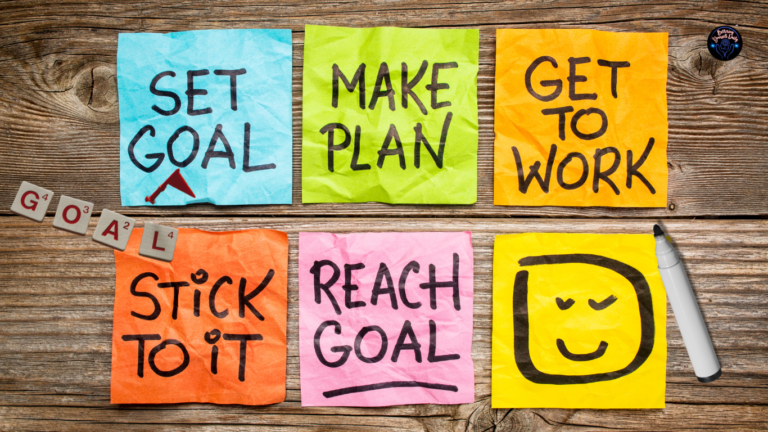
Building self-discipline starts with having a clear direction. A foggy path won’t lead you to success, no matter how disciplined you are. Goals act as your roadmap, guiding your energy and focus while giving you something tangible to work toward.
Define Your Objectives
The first step is knowing exactly what you want. A vague goal like “be healthier” is hard to pursue. But if you say, “Exercise for 30 minutes, three times a week,” now you have something specific to aim for. Clarity is your ally.
When setting an objective, make sure it’s measurable. How do you know you’ve succeeded? Use benchmarks or metrics. For instance:
- Instead of “Save money,” aim for “Save $500 in three months.”
- Rather than “Read more,” decide on “Finish one book each month.”
This framework ensures your goals are actionable. If you’re feeling stuck, envision the life you want and work backward. What steps will get you there? For more insights on the role of goal-setting in self-discipline, consider this guide.
Break Down Goals
Big aspirations can feel overwhelming, like looking up at a massive mountain you must climb. The solution? Break them into smaller, more manageable chunks.
Let’s say your goal is to write a book. Instead of staring at a blank page and thinking about the daunting 300-page word count, break it into steps:
- Outline the chapters.
- Dedicate one week to drafting each section.
- Set daily writing targets, like 500 words.
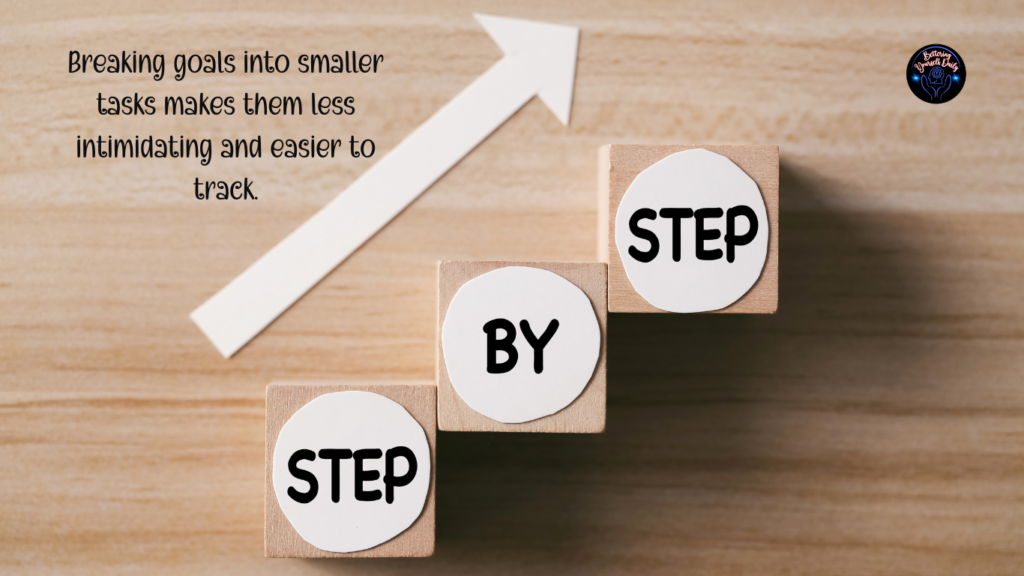
Breaking goals into smaller tasks makes them less intimidating and easier to track. Each small win builds momentum, reinforcing your discipline.
Visualize your progress as a staircase. Each small step leads you closer to the top. It’s not about giant leaps; it’s about consistent forward motion.
Clear and broken-down goals help you stay anchored and focused. They make discipline feel achievable, one small success at a time.
Creating a Structured Plan
A structured plan acts like a GPS for self-discipline. It takes the guesswork out of daily life and helps you focus on what matters most. When you create a well-organized plan, you reduce stress, stay on course, and consistently make progress toward your goals.
Develop a Routine
Establishing a routine gives structure to your day and reduces mental fatigue. When you know what to expect, you save time and energy deciding what to do next. Routines anchor your day, help you form habits, and give you a sense of control.
For example, consider starting your morning with a set routine: wake up at the same time, exercise for 10 minutes, and plan your day’s priorities. Simple routines like these can improve productivity and mental sharpness over time. Consistency in daily habits can also enhance emotional well-being by providing predictability.
If you’re interested in learning more about how routines can benefit your mental and physical health, check out this article on the health benefits of having a routine.
Prioritize Tasks
When everything feels important, prioritizing tasks can keep you from feeling overwhelmed. Identify what truly matters and focus on high-impact activities. Start your list with urgent and important tasks, then move on to less critical items.
A simple method is the Eisenhower Matrix, where tasks are categorized as urgent-important, important-not urgent, not important-urgent, or neither. By focusing on what’s genuinely essential, you avoid distractions and make progress faster. Remember, saying “no” to nonessential tasks gives you more bandwidth for what counts.
Set a Timeline
Deadlines are essential for accountability. They create urgency and provide a clear endpoint for your efforts. Without a timeline, tasks can drag on indefinitely, leading to procrastination.
For example, if you’re planning to learn a new skill, setting a goal to complete a course within three months keeps you on track. Break larger deadlines into smaller milestones, like weekly progress checks. This approach makes long-term goals achievable while maintaining steady momentum.
Structuring your time and efforts around a clear plan makes self-discipline a natural part of your routine. It’s not about doing everything at once, but about establishing priorities, committing to timelines, and showing up consistently.
Removing Temptations
Distractions and temptations can derail even the most disciplined among us. By learning how to manage triggers and structure your environment wisely, you can stay on track more consistently. This section focuses on strategies to identify what pulls you off course and how to create conditions for success.
Identify Triggers
Understanding what tempts you is the first step toward controlling your reactions. Triggers are often subtle—stress, boredom, or certain environments can all lead to behaviors that undermine your goals. Ask yourself: What situations make it harder to stay disciplined?
Some triggers might be:
- Environmental: A cluttered workspace or easy access to junk food.
- Emotional: Feeling anxious, tired, or overwhelmed.
- Behavioral: Scrolling on your phone as a default response to boredom.
Once you pinpoint your triggers, find ways to disrupt their influence. For example, if you tend to snack on unhealthy food when stressed, consider preparing healthy options in advance or practicing mindful breathing techniques instead. To dive deeper into identifying personal triggers, explore this helpful guide.
Create a Supportive Environment
Your surroundings play a massive role in guiding your habits. An organized and goal-aligned environment serves as a silent nudge toward staying disciplined. Think of it this way: if you want to eat healthier, keeping cookies on the counter already sets you up for failure.
Here’s how you can design an environment that works for you:
- Minimize distractions. Keep your phone out of sight when focusing on work.
- Organize your space. Tidy desks or dedicated workout corners encourage action.
- Surround yourself with reminders. Sticky notes, calendars, or phone alerts can highlight your priorities.
For example, if you’re trying to implement a consistent workout routine, placing your gym clothes where you can see them each morning acts as a visual cue. A supportive environment ensures that motivation isn’t the only path to success; your setup naturally leads you toward better choices.
Small environmental tweaks can yield big results, strengthening your ability to resist temptations and focus effectively.
Building Positive Habits
Building self-discipline means creating habits that align with your goals. Habits are the building blocks of lasting change—they make decisions automatic and reduce mental effort. Here’s how you can start constructing positive habits step by step.
Start Small: Encourage starting with small, achievable habits.
When it comes to forming new habits, smaller is better. Imagine trying to lift heavy weights on your first day in the gym—it’s overwhelming and unsustainable. Instead, focus on manageable changes that can be easily repeated.
Start with something simple. For example:
- Want to exercise regularly? Begin with a 5-minute daily walk.
- Hoping to read more? Commit to reading one page per day.
Small wins create momentum. They act like planting seeds; even tiny actions grow over time into significant results.
Consistency is Key: Discuss the importance of being consistent in building habits.
Consistency is the foundation of habit formation. It’s not about doing something perfectly every time—it’s about doing it regularly. Think of it like brushing your teeth; it’s unexciting but essential, and over time, it becomes second nature.
Here’s why consistency works:
- It strengthens neural pathways, turning activities into habits.
- Reinforcing actions daily makes them feel automatic.
- It builds trust in yourself—a key part of sustaining self-discipline.
Even the smallest consistent habits can make a big difference in the long term.
Track Your Progress: Emphasize the importance of monitoring progress to stay motivated.
Tracking your habits isn’t just about accountability—it’s also deeply motivating. Seeing visible progress serves as proof of your hard work and keeps you inspired.
You can track habits in various ways:
- Habit Trackers: Use tools like a journal, app, or calendar to check off daily actions.
- Visual Progress: A wall chart or graph provides a tangible view of your consistency.
- Milestones Achieved: Celebrate small wins along the way to maintain motivation.
Tracking doesn’t have to be fancy or complicated. Even simple systems work wonders in reinforcing positive habits.
A habit tracker is like a mirror—it reflects not just where you are but how far you’ve come.
Accountability and Support
Building self-discipline isn’t just an individual journey—it thrives on relationships and community. Surrounding yourself with the right people can improve your efforts and keep you on track. Whether it’s through partnerships or larger networks, accountability and support provide much-needed guidance and motivation.
Find an Accountability Partner
In the pursuit of discipline, it’s easy to lose direction or make excuses. This is where an accountability partner can help. An accountability partner isn’t just a cheerleader; they’re someone who reminds you of your commitments and keeps you honest.
How does it work? Here’s what an accountability partner can do for you:
- Stay Motivated: They’ll remind you why you started when your enthusiasm fades.
- Provide Feedback: Their perspective can reveal blind spots and areas for improvement.
- Track Progress Together: Sharing updates makes progress more tangible and rewarding.
For example, having a friend to check on your goals—like sticking to a gym schedule or limiting social media—makes it harder to quit. You feel a sense of responsibility, not only to yourself but also to someone who believes in your ability to succeed.
Join Support Groups
Sometimes, the best way to build discipline is by learning from others. Support groups create a sense of community where members share their struggles, achievements, and tips for success. These gatherings remind you that you’re not alone in your journey.
Why are support groups so effective? Consider these benefits:
- Shared Experiences: Hearing how others overcame challenges can inspire and teach you.
- Increased Accountability: Participating in group discussions solidifies your commitment.
- Enhanced Motivation: Encouragement from like-minded individuals builds confidence and persistence.
Think of a writer’s group where members discuss their goals of completing a manuscript. Sharing weekly updates and brainstorming ideas not only builds momentum but also offers encouragement during tough times.
If you’re considering joining a group, look for communities that align with your goals, whether online or in person.
Accountability and support work hand-in-hand to strengthen self-discipline. By leaning on others while staying true to your commitments, you’ll find it easier to stay focused and consistent on your journey.
Overcoming Setbacks
Setbacks are part of any journey toward growth and discipline. They test your resilience and teach invaluable lessons if approached with the right mindset. Bouncing back isn’t just about recovering—it’s about using challenges as opportunities to become stronger.
Learn from Mistakes
Every setback is an opportunity to learn, even if it doesn’t feel that way at first. Mistakes can highlight what went wrong and illuminate areas for growth. But it starts with reflection. What could you have done differently? Where did the process break down?
Ask yourself:
- Did I plan thoroughly enough?
- Were my expectations realistic?
- How can I prevent this specific failure next time?
Taking time to assess your missteps is like reviewing a blueprint after a structure cracks—it helps you identify weak spots to fix for the future. Avoid blaming others or circumstances; accountability empowers you. Keep in mind that failure isn’t a stop sign—it’s a guidepost.
Stay Motivated
Staying motivated during setbacks can feel impossible. However, the right strategies can keep you moving forward. Motivation isn’t just a feeling—it’s a practice that needs nurturing. How can you keep going when things get tough?
Here are some effective ways to maintain momentum:
- Revisit Your “Why.”
Why did you start this journey? Reconnecting with your deeper purpose can reignite your drive. - Break Goals Into Smaller Steps.
Big goals can feel overwhelming after setbacks. Shift focus to small, immediate wins. - Surround Yourself with Positivity.
Lean on friends, mentors, or inspiring content to refuel your energy. - Celebrate Progress.
Acknowledge even tiny victories. Reward yourself—it builds confidence to keep going. - Stay Active.
Physical movement, even something as simple as a brisk walk, can help re-center your mind.
Setbacks aren’t roadblocks—they’re stepping stones. By learning from mistakes and staying motivated, you’ll strengthen the resolve to keep pushing forward.
Conclusion
Self-discipline isn’t a gift—it’s a skill you can refine with focused effort. From setting clear goals to building better habits, every small step strengthens your ability to stay the course.
Begin with one change today. Break big tasks into smaller steps, create routines, or remove a common distraction. Progress doesn’t demand perfection—just consistency.
The power to change your life is in your hands. What’s the one step you’ll take right now?