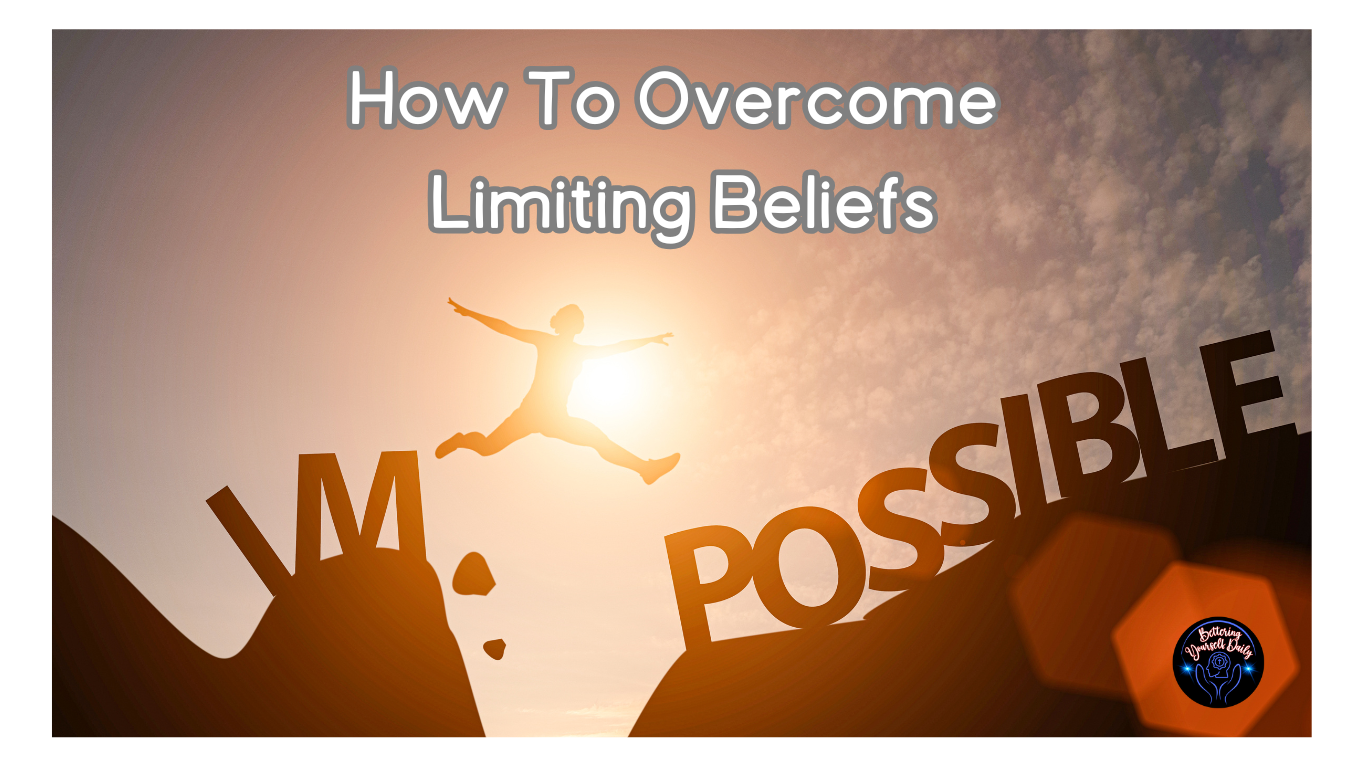
How to Overcome Limiting Beliefs
Unlock New Possibilities
We all carry beliefs about ourselves and the world that shape how we think, act, and dream. Some of these beliefs can unknowingly hold us back, creating invisible barriers that limit what’s possible. These are called limiting beliefs, and while they may feel like facts, they’re often just stories we’ve told ourselves over time. The good news? They’re not set in stone. By learning how to overcome your limiting beliefs by challenging these thoughts and adopting a mindset that embraces possibility, you can unlock new opportunities and take meaningful steps toward personal growth. It’s time to rewrite those stories and see what’s truly possible.
Recognizing Limiting Beliefs
Limiting beliefs can act like mental roadblocks, keeping us from reaching our dreams and full potential. These deeply ingrained ideas often feel like facts, but they are simply assumptions shaped by experience and fear. Identifying and understanding these beliefs is the first step in dismantling them. Let’s break it down.
What Are Limiting Beliefs?
Limiting beliefs are thoughts or opinions that you accept as true, even though they may not be grounded in reality. These beliefs create barriers and convince you that you can’t do or achieve certain things. They might sound like, “I’m not good enough,” “I don’t deserve happiness,” or, “Success is only for people who were born into privilege.”
These thoughts often go unnoticed because they live in our subconscious, quietly influencing our decisions and actions. For example, someone who believes they aren’t smart enough may avoid pursuing a degree or a challenging career. Feeling familiar? You’re not alone. Limiting beliefs are surprisingly common, and many hold us back more than we realise.
How Limiting Beliefs Form
Limiting beliefs don’t appear out of nowhere. They are shaped by a combination of life experiences, social influences, and personal failures. Many of these beliefs start forming in childhood, a time when we’re still learning how the world works. Harsh criticism from caregivers or teachers can plant the seed of “I’m not good enough.” Over time, repeated messages reinforce this belief until it feels like a fundamental truth.
In addition to upbringing, societal conditioning plays a big role. We live in cultures that often dictate what’s “normal” or “acceptable.” For instance, if your community rarely celebrates risk-taking, you might feel that stepping outside your comfort zone is doomed to fail. Add in past failures, like a bad business decision or a rejection, and it can become easy to craft a story around why trying isn’t worth it.
Identifying Personal Limiting Beliefs
Uncovering your limiting beliefs is like peeling back layers of an onion—it takes time, patience, and honesty. But once you start, you’ll begin noticing patterns in your thoughts that don’t serve you. Where should you start? Self-reflection is key. Here are a few practical techniques:
- Journaling: Spend 15 minutes a day writing your thoughts. Focus on areas where you feel stuck or unmotivated. Ask yourself, “What’s holding me back?” Seeing your thoughts in writing can make these beliefs more apparent.
- Asking “Why?”: Dig deeper into statements you make to yourself. If you think, “I can’t switch careers,” ask yourself, “Why not?” Questioning the validity of your beliefs helps you see if they’re rooted in evidence or fear.
- Feedback from Others: Sometimes, we’re too close to our issues to see the full picture. A trusted friend, family member, or mentor can help point out blind spots and recurring self-limiting ideas.
If you’re looking for guidance on journaling or other practices, check out this comprehensive guide.
Recognizing these hidden beliefs doesn’t magically fix them, but it’s the necessary first step. Bringing them to light takes them out of their hiding spots in your subconscious, putting you back in control over what you believe and how you act.
Challenging and Reframing Limiting Beliefs
If you’ve ever felt held back by your own thoughts, you’re not alone. Limiting beliefs have a sneaky way of convincing us to stay within the confines of what feels “safe” or “possible.” The good news is that these beliefs aren’t permanent—they’re habits of thought that can be reshaped. Let’s dive into three techniques to challenge and replace these beliefs with empowering alternatives.
Challenging Negative Assumptions
Have you ever considered whether your beliefs are actually true, or are they just assumptions? A powerful way to address limiting beliefs is by questioning their legitimacy. Start with two simple questions: “What if I’m wrong?” and “Is this absolutely true?”
- “What if I’m wrong?” This forces you to acknowledge there might be alternative possibilities you haven’t considered. For instance, if you assume, “I’m terrible at public speaking,” ask yourself: what if that’s not true? Maybe you’re just inexperienced, not terrible.
- “Is this absolutely true?” Many beliefs crumble under scrutiny when you evaluate them for factual accuracy. If you tell yourself, “I’ll never be able to run a business,” dig deeper. Are there irrefutable facts supporting that claim, or is it fear?
Another effective way to test your assumptions is by collecting evidence to the contrary. Look for moments, no matter how small, that prove the opposite. If you’ve convinced yourself you’re not good enough at something, reflect on a time when you excelled at a similar task. Challenging your thoughts opens the door for change.
Reframing with Growth-Oriented Mindsets
Once you’ve identified a limiting belief, the next step is to reframe it into something productive. This doesn’t mean ignoring challenges but instead viewing them through a lens of possibility. Here are some ways to do just that:
- State Affirmations: Replace negative thoughts with empowering statements. For example, instead of thinking, “I’m bad at learning new skills,” try saying, “I am capable of learning and improving with practice.”
- Shift from Fixed to Growth Mindset: A fixed mindset says abilities are static, but a growth mindset embraces change and effort. If you believe, “I can’t learn this new software,” reframe it as, “I’m on my way to mastering it with time and practice.”
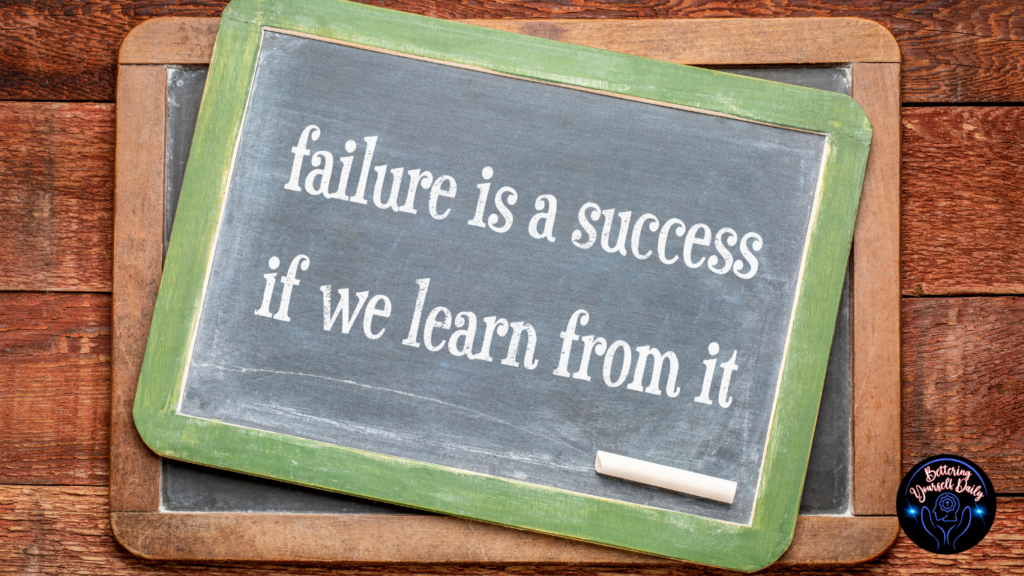
- Focus on Opportunities: Reframing isn’t just about dismissing negatives; it’s about looking for benefits or lessons. For example, failure isn’t failure—it’s feedback guiding you forward.
Adopting these reframes isn’t about blind positivity; it’s about creating mental frameworks that nurture growth. Cognitive reframing tools, like those discussed here, can further refine your approach to building empowering beliefs.
Strengthening New Beliefs Through Small Wins
Building new beliefs is one thing; sustaining them requires proof. This is where small, manageable victories come into play. Small wins create momentum and help dismantle lingering doubts over time.
- Start Small and Build Confidence: If you’re trying to believe “I’m capable of achieving goals,” pick a simple, achievable task like organising your workspace. Completing it reinforces your confidence.
- Track Progress: Keep a journal of your small successes. Did you speak up in a meeting today? Celebrate that. Documenting wins solidifies your belief in what’s possible.
- Celebrate Each Victory: Recognize every success, no matter how minor. These acknowledgments strengthen new beliefs and motivate you to take on bigger challenges.
Celebrating small wins is a proven strategy to build self-belief. Each accomplishment, however small, acts like a stepping stone, progressively taking you toward larger goals. Remember, consistency is key—the more often you succeed, the more confident you’ll feel about your abilities.
By challenging, reframing, and reinforcing your beliefs with small victories, you create a foundation for transformation.
Cultivating a Mindset of Possibility
Shifting your thoughts from “I can’t” to “I can” is not just a mental exercise—it’s a lifestyle change. Cultivating a mindset of possibility means adopting habits that open up opportunities and allow you to reach your full potential. By fostering gratitude, envisioning your goals, and treating yourself with kindness, you can replace limiting beliefs with empowering ones.
The Role of Gratitude and Positivity
Gratitude has a unique way of framing your world differently. When you focus on what’s going right instead of what’s holding you back, you create space for optimism and opportunities. It’s like adjusting the dial on a radio—you start tuning into signals that resonate with growth and potential.
Practicing gratitude daily can be as simple as jotting down three things you’re thankful for. Over time, this habit rewires your brain to look for the good rather than being bogged down by doubt. Positive psychology research supports this, showing that grateful individuals tend to feel happier and more resilient. Want proof? This source explains how gratitude can even change the way your brain processes experiences.
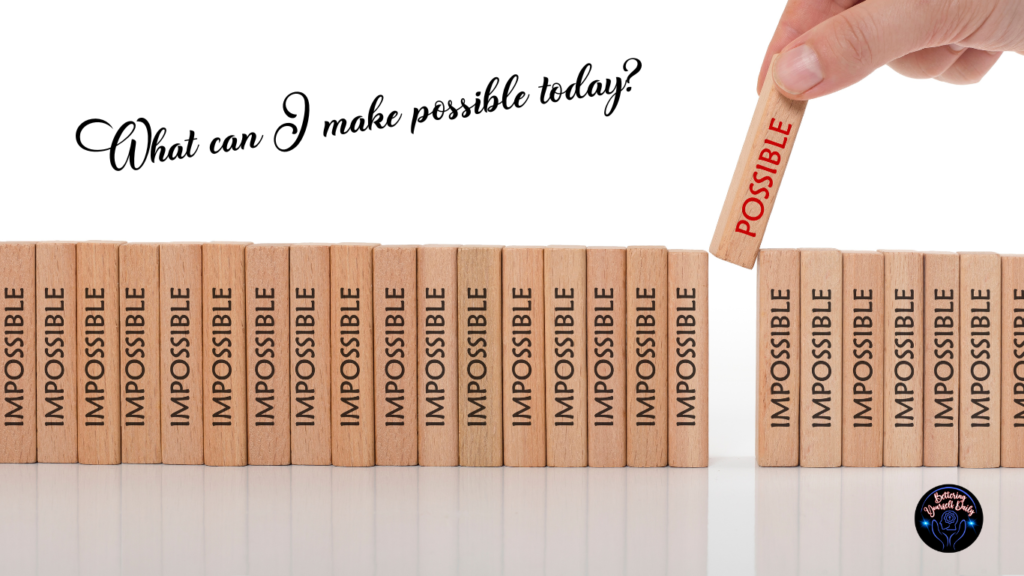
When combined with positivity, gratitude becomes a powerful tool. By focusing on opportunities instead of obstacles, you’re essentially teaching your mind to become a possibility maker rather than a fear reactor. It’s not just about being blindly optimistic—it’s about being realistic with a positive perspective. Try asking yourself daily: “What can I make possible today?”
Visualization and Goal Setting
What if you could see your success before it even happened? That’s the power of visualization. When you create a mental image of yourself achieving your goals, it aligns your mind with the actions needed to make those goals a reality. Think of visualization as a dress rehearsal for success.
Start by imagining not just the end result but also the steps you’ll take to get there. For example, if your goal is to run a marathon, picture yourself tying your laces, training daily, crossing that finish line, and celebrating with pride. Scientific evidence shows that this practice prepares your brain for achievement and shifts focus from what might go wrong to what could go right.
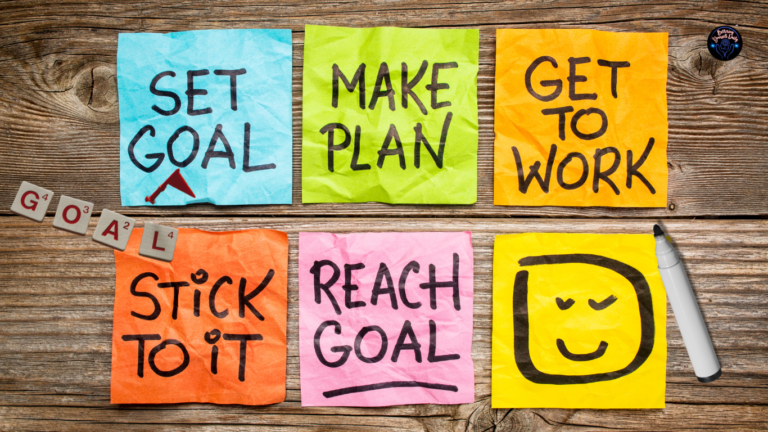
Hand-in-hand with visualization is goal setting. Lofty dreams are wonderful, but they need a roadmap to become reality. Set SMART goals—specific, measurable, achievable, relevant, and time-bound—that act as stepping stones. Visualize each small milestone as a triumph, which not only builds confidence but reinforces that possibilities are limitless.
Practicing Self-Compassion
Let’s be honest: change is hard. On the path to shifting your mindset, stumbling is inevitable. But instead of beating yourself up, imagine how you would treat a close friend who’s struggling. That’s the essence of self-compassion—understanding that mistakes are part of learning and growth.
Treating yourself kindly when things don’t go perfectly fosters resilience. When you stop criticising your failures and start seeing them as opportunities, you create an environment where growth thrives. Practising self-compassion is linked to better self-esteem, satisfaction, and a greater ability to move forward.
Here’s a practical way to start:
- Acknowledge Your Efforts: Celebrate what you’ve achieved, no matter how small.
- Accept Imperfections: Understand that no one is perfect—it’s okay to mess up.
- Be Patient: You’re making a shift that takes time. Give yourself grace.
Self-compassion isn’t about giving up or letting yourself off the hook—it’s about creating a foundation of support to move forward with confidence. Without it, mindset shifts become exhausting rather than empowering.
By combining gratitude, visualization, and self-compassion, you lay the groundwork for a mindset that embraces what’s possible. Each practice complements the other to reshape not just your thoughts, but how you approach challenges and opportunities.
Conclusion
Shifting from limiting beliefs to a mindset of possibility is a game-changer in personal growth. By recognizing these beliefs, questioning their validity, and gradually replacing them with empowering alternatives, you can unlock untapped potential. Small steps make a big impact—consistent wins and a focus on gratitude, visualization, and self-compassion anchor this transformation.
Start today by identifying one belief holding you back. Challenge it. Then, take one small step that aligns with the person you want to become. Change is possible, and it begins with a single thought: What if I can?