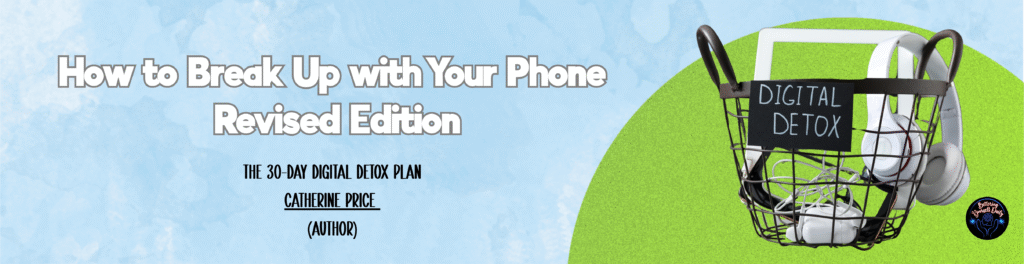
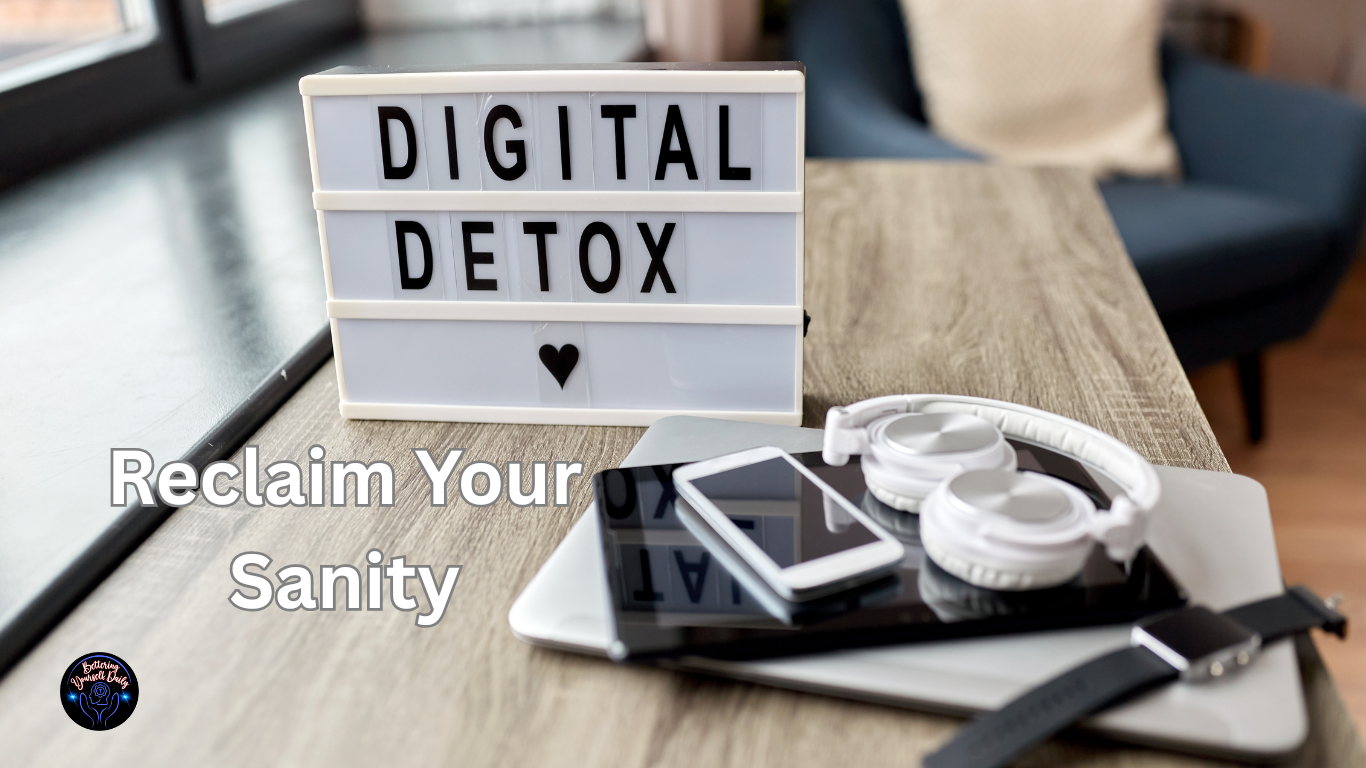
How To Do a Successful Digital Detox To Reclaim Your Sanity
Reclaim Your Mind: A Practical Guide to Digital Detox
Take a moment to think about your daily interactions with screens. From the moment you wake up to the time your head hits the pillow, it often feels like life is filtered through a glowing rectangle. While technology connects us, it’s no secret that it can also leave us feeling drained, unfocused, and even anxious. Enter the concept of a digital detox—a simple yet powerful practice of stepping away from screens to recharge your mind and reclaim balance.
Recent studies show that reducing screen time can improve sleep, lower stress, and boost mental clarity. It’s an opportunity to deepen real-world connections, nurture your well-being, and focus on what truly matters. Whether it’s a tech-free evening or a weekend unplugged, even small steps can make a difference for your mind and body.
The Negative Effects of Digital Overload
As screens dominate nearly every facet of our daily lives, the toll of constant connectivity is undeniable. Digital overload isn’t just a buzzword; it’s a reality shaping our mental, social, and physical well-being in ways we can’t ignore. Let’s explore some of the less-discussed, but deeply impactful consequences of too much screen time.
The Link Between Technology and Stress
Ever feel like your brain is in overdrive after a day glued to screens? You’re not alone. Studies have shown that prolonged screen exposure can heighten stress and anxiety levels. This is largely due to the relentless influx of data—videos, notifications, emails—that keeps our brain in a state of hyper-arousal. Psychologists refer to this as “info-paralysis,” where overwhelming amounts of data lead to decision fatigue and cognitive stress.
For example, a recent article on Mindful Health Solutions highlights how exposure to excessive notifications triggers a constant fight-or-flight response, leaving you mentally drained. Constant digital chatter prevents the brain from decompressing, which is critical for emotional stability. Simply put, our brains were not designed to function as hyper-connected as the devices in our hands.
Impact on Relationships and Social Connectivity
Have you ever been mid-conversation with someone when they suddenly pull their phone out? This phenomenon, called “technoference” or “phubbing,” has steadily eroded the quality of our interpersonal connections.
Research confirms that constant phone use often leads to diminished relational satisfaction. For instance, studies show that higher levels of technology use correlate with less time spent engaging in meaningful face-to-face interactions. Couples aren’t immune to this either, as smartphones often disrupt relationship-building moments. This kind of device-driven disconnection fosters misunderstandings and can even breed insecurity or jealousy.
Although technology promises connectivity, it paradoxically leads us to feel more disconnected from the people around us. Taking a digital detox—even for a few hours—can help rekindle these deeper connections, whether it’s a family dinner or an uninterrupted date night.

Physical Consequences of Prolonged Screen Use
The physical toll of constant screen use is just as concerning. Have you ever felt your neck ache after scrolling for hours? Or noticed how blurry your vision gets after a long workday? These are just the beginning. Excessive screen time can lead to:
- Eye strain and headaches: Gazing at screens for prolonged periods dries out your eyes and causes digital eye strain, often leading to painful headaches. According to this report, issues like blurred vision and even long-term retinal damage can occur.
- Posture problems: Known as “tech neck,” the habit of looking down at your phone or leaning toward your laptop can wreak havoc on spinal alignment. Over time, chronic neck and back pain seep in.
- Sleep disruption: Blue light emitted from screens interrupts the body’s natural sleep hormone, melatonin, leading to poorer sleep quality and insomnia.
Screens, when overused, aren’t just digital windows; they’re silent culprits behind various health struggles. Learning to set physical boundaries with your devices is as crucial as maintaining the right posture or taking timely breaks.
From mental stress to muscle strain, the adverse effects of digital overload underscore the urgency for more mindful screen usage. A detox isn’t just a luxury; it’s becoming a necessity for true health and happiness.
How to Start a Digital Detox
Embarking on a digital detox doesn’t mean abandoning all your devices overnight. It’s about making intentional choices and setting boundaries that let you regain control over your time and attention. Here are actionable steps to kickstart your detox journey.
Set Realistic Boundaries
Going cold turkey on technology is rarely sustainable. Instead, begin with small, manageable changes. For example:
- Device-Free Dinners: Commit to keeping phones and tablets off the table. Instead, focus on meaningful conversations with loved ones.
- Phone-Free Mornings: Avoid grabbing your phone first thing. Use a traditional alarm clock and spend the first hour focused on activities like stretching, meditating, or preparing for the day.
- Tech-Free Zones: Designate areas like the bedroom or dining room as screen-free spaces.
Remember, the goal is balance—not perfection. Setting clear expectations for yourself makes the process less daunting and more effective.
Declutter Your Digital Space
A cluttered digital life can feel just as overwhelming as a messy desk. Simplify your online environment with these steps:
- Unsubscribe from Unnecessary Emails: Keep only the emails that add value to your life and unsubscribe from promotional clutter.
- Turn Off Non-Essential Notifications: Notifications constantly vying for attention make concentrating harder. Disable ones that aren’t urgent—your focus will thank you.
- Organize Your Apps: Keep only the most-used apps on your home screen, and delete those you no longer need. Group similar apps into folders to reduce visual overwhelm.
Changes like these reduce the digital noise in your life.
Incorporate Offline Activities
Replacing screen time with enriching offline activities can transform your digital detox experience into something enjoyable. Consider incorporating:
- Reading: Dive into a book that’s been on your list for a while. Nothing beats the feeling of turning real pages.
- Journaling: Use pen and paper to reflect on your day or jot down creative ideas.
- Nature Walks: Spending time outdoors isn’t just refreshing; studies suggest it boosts mental clarity and reduces stress.
- Creative Hobbies: Knitting, painting, or puzzles—find what sparks joy and keeps your hands busy.
By filling the time with activities that bring you happiness, you’ll think less about your devices and more about the fulfilling moments you’re creating.
Seek Community Support
No one says you have to go it alone. Sharing your digital detox efforts with others makes the journey easier—and more rewarding:
- Discuss with Family or Friends: Let them know your plans and invite them to join. Shared efforts can lead to stronger relationships.
- Join Online Groups: Yes, this might sound ironic while detoxing. But platforms like the digital minimalism subreddit have communities where members exchange ideas, struggles, and solutions.
- Set Collaborative Boundaries: Work with your circle to establish mutual unplugged time, like silent reading hours or no-screen zones during family gatherings.
Having a support system amplifies motivation and keeps you accountable. Moreover, knowing others are walking the same path makes the process feel less isolating and more like a positive lifestyle change.
Starting a digital detox doesn’t have to be overwhelming. With thoughtful boundaries, decluttering, engaging offline activities, and support from others, you can take back control of your tech habits—one intentional step at a time.
The Benefits of Unplugging
In a world dominated by constant notifications, endless scrolling, and glowing screens, taking intentional breaks from technology can feel like a bold act. However, the benefits of unplugging go far beyond just taking a breather—they have the power to reshape your mental, physical, and emotional well-being. Here’s how putting down your devices can transform daily life one pause at a time.
Improved Sleep Quality
Does looking at screens right before bed leave you tossing and turning? You’re not alone. The blue light emitted by screens interferes with your body’s ability to produce melatonin—the hormone responsible for helping you fall asleep. Studies show that even a couple of hours of screen time before bed can significantly reduce sleep quality.
When you unplug, especially in the evenings, you give your body a chance to wind down naturally. Swap your late-night scrolling with activities like reading a book or practicing mindfulness. Over time, you’ll notice falling asleep becomes easier, and you’ll wake up feeling more rested and energized to face the day.

Photo by Markus Winkler
Enhanced Focus and Productivity
Ever feel like your attention span has shrunk? Between constant pings and endless updates, technology has a way of pulling your focus in a hundred different directions. Unplugging, even for just an hour or two, allows your brain to reset and sharpen its ability to concentrate.
A short digital detox can help you rebuild your focus muscle. For example, stepping away from devices during work hours fosters uninterrupted thinking, which research has linked to better problem-solving and overall productivity. When your mind isn’t distracted by the latest notification, that looming project or creative idea gets the attention it truly deserves.
Strengthened Personal Connections
Let’s be honest: Have you ever checked your phone mid-conversation with a loved one? Moments like these are common, and they subtly weaken our bonds with others over time. Unplugging allows you to show up fully—not just physically but emotionally.
Imagine this: a family dinner devoid of buzzing phones or a night spent laughing with friends without the distraction of social media. These seemingly small shifts are what create lasting memories. Research has shown that being present improves not only the quality of relationships but also your ability to feel truly connected to those who matter most.
Boost in Creativity and Mental Clarity
Your brain is like a sponge, constantly absorbing data from every email, meme, or TikTok video you consume. But, creativity thrives in the quiet spaces—spaces that are so often filled with noise from our devices. Unplugging carves out that much-needed creative headspace.
When you step away from the screens, your mind starts to wander. Instead of being constantly entertained, you have space to think freely. This lack of input is where innovative ideas spark. Whether it’s coming up with new solutions at work or rekindling a passion for an old hobby, less screen time equals more opportunities for mental rest and out-of-the-box thinking.
Unplug, breathe, recharge—each break you take has the potential to transform not just your day but your overall well-being.
Digital Detox Challenges and How to Overcome Them
Taking a digital detox sounds easy in theory—just step away from the screens. But if you’ve ever tried, you know it comes with its own set of challenges and you need strong self-discipline to overcome them. From feeling disconnected to struggling with habit changes, the mental hurdles can be as real as the glow of your smartphone. Let’s tackle these challenges head-on and explore practical strategies to power through.
Coping With FOMO (Fear of Missing Out)
It’s no secret that stepping away from the digital world can bring on a sense of FOMO—the fear that you’re missing out on what’s happening online. Social updates, group texts, or trending topics can feel impossible to ignore, leaving you anxious about being “out of the loop.” So, how do you fight back?
- Shift to Gratitude: Focus on the offline opportunities you gain, like deeper relationships or more time for passions. Staying indful at the present moment can turn FOMO into appreciation for real-life moments.
- Replace Scrolling with Planning: Feeling left out often comes from a lack of engaging alternatives. Fill this gap by planning activities—take a hike, try a new recipe, or invite a friend for coffee.
- Adjust Notifications Strategically: Turning off non-essential notifications can reduce the triggers of FOMO. You may like to try keeping only the crucial alerts to avoid constant pings that pull you back.
Instead of fearing what you might be missing, use a detox as a time to reconnect with what’s truly meaningful in your life.
Building New Habits That Stick
Changing habits isn’t easy—especially when it involves altering your relationship with technology. But sustainable digital detoxes are less about restriction and more about creating habits that last long after the detox.
- Anchor Habits to Existing Routines: Link new practices with current ones. For example, journal every morning instead of scrolling social media with your coffee. Take small steps at a time as your approach to habit change.
- Start Small Before Scaling: Go for incremental goals. Begin with an hour of unplugged time each evening, then gradually expand. Overreaching early is often why detox plans fail.
- Visualize Rewards: Habits stick better when paired with motivation. Remind yourself of the benefits you’ll gain—better focus, stronger relationships, improved sleep. Everyday Health highlights how building a tech-free evening makes it easier to eventually extend unplugged periods.
Once you weave digital detox practices into your daily routine, they’ll feel less forced and more natural.
Finding Balance Instead of Extremes
You don’t have to quit technology completely to reap the benefits of a digital detox. Instead, aim for balance—a middle ground where tech enhances life without dominating it.
- Set Limits Instead of Bans: Designate specific hours for tech use, like an “internet curfew” an hour before bed.
- Check Your Intentions: Before opening an app or turning on the TV, pause for a moment. Are you using it intentionally or just out of habit? Awareness is key to managing usage.
- Blend Tech With Purpose: Technology doesn’t have to be the villain. Use it strategically—video chat with long-distance friends, join a workout class online, or explore educational tools.
Balance doesn’t mean a complete “off” switch—it’s about knowing when to hit pause and when to press play for both productivity and enjoyment.
Taking charge of these challenges won’t just help you thrive during a detox; it equips you with habits and perspectives that can enrich your life in the long run. Remember, disconnecting digitally is just the first step towards reconnecting fully—both with yourself and the world around you.
Conclusion
Taking a digital detox is more than just a break from screens—it’s a chance to reclaim your time, energy, and focus. The benefits ripple through every part of your life, from enhanced mental clarity and deeper relationships to better sleep and reduced stress.
By creating intentional habits and prioritizing offline experiences, you can reset your relationship with technology without giving it up entirely. Whether it’s a simple device-free dinner or a weekend unplugged, every small step toward balance matters.
Start today. Set a goal to do your digital detox. Your mind, body, and connections deserve moments free from digital noise. So, put down the screens and embrace the quiet moments—they’re where life truly happens.